

(TAP) - Asking for calligraphy at the beginning of the Lunar New Year is a long-standing cultural tradition of the Vietnamese people whenever Tet and spring arrive, expressing aspirations for knowledge, good fortune, and peace. Through each brushstroke of calligraphy, this custom not only preserves traditional values but also continues to nurture spiritual life in modern society.
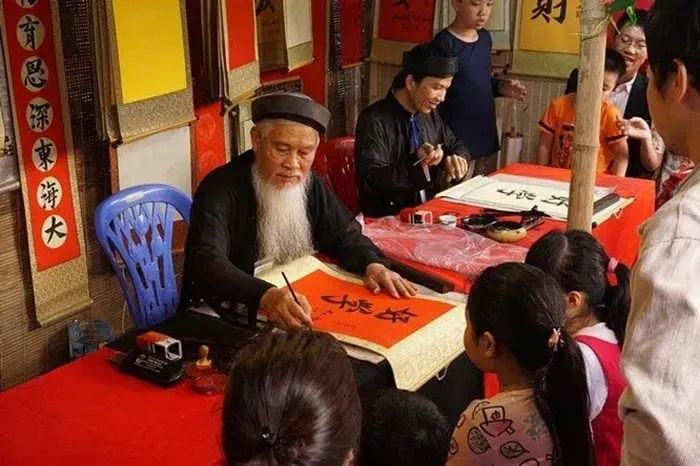
The custom of asking for calligraphy at the beginning of spring preserves the traditional beauty of the Vietnamese people, where each character carries hopes for knowledge, good fortune, and peace in the New Year. Source: Thư Pháp Lão Trọc (Pinterest)
The custom of asking for calligraphy at the beginning of spring is regarded as a familiar practice in the spiritual life of the Vietnamese people. According to calligraphy researchers, it carries profound symbolic meaning, expressing each family’s good wishes as they enter the New Year. Each character written on red paper embodies the aspirations of the recipient, while also reflecting respect for the talent and virtue of the calligrapher. This tradition helps affirm the nation’s long-standing reverence for learning and its deep respect for knowledge and the written word.
The origins of asking for calligraphy custom are closely tied to Confucianism and the moral principle of respecting teachers in traditional society. When literacy was seen as the path to knowledge and character, Confucian scholars and teachers represented the intellectual class. At the beginning of each spring, people would bring small offerings to request calligraphy, entrusting their hopes for academic success, family harmony, and a prosperous life. Over time, the practice spread widely and became an indispensable part of the atmosphere of the traditional Lunar New Year.
Nowadays, instead of visiting traditional calligraphers' homes, people can visit "calligrapher streets" in many cultural spaces in major cities. The image of elderly calligraphers alongside younger, modern ones creates an interplay between tradition and modernity. Their delicate brushstrokes on red paper attract many locals and tourists, contributing to making the custom of requesting calligraphy a meaningful cultural - tourism activity during Tet.
According to traditional beliefs, the characters requested at the beginning of the year are usually hung in a place of honor in the home, with the hope of welcoming a new year of peace and good fortune. Depending on their age and personal wishes, each person chooses an appropriate character to entrust their aspirations. During the writing process, the calligrapher often explains the meaning of each brushstroke, helping the recipient better understand the symbolic value of the character and thereby adding greater spiritual depth to the calligraphic work.
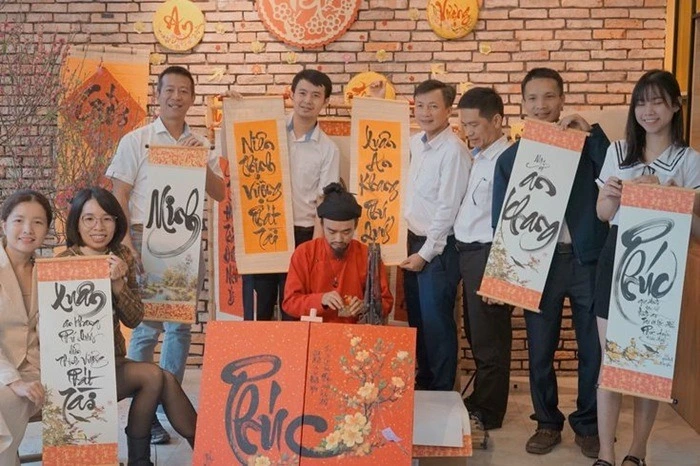
Each character requested at the beginning of the year carries its own message and wishes for the New Year. Source: Lambach Tung (Pinterest)
Each character carries its own message. “Lộc” symbolizes prosperity; “Phúc” conveys wishes for happiness and good fortune; “Thọ” offers blessings of longevity and good health. “Tâm” and “Đức” remind people to cultivate kindness and virtue; “Tài” expresses the aspiration for success; “An” prays for peace; “Nhẫn” advises tolerance and perseverance; while “Hiếu” is a tribute of gratitude to one’s parents. These simple characters embody profound life philosophies, reflecting the values that each family aspires to in the New Year.
Despite many changes in social life, the custom of asking for calligraphy at the beginning of the year has retained its enduring vitality. Amid the pace of modern life, the image of the calligrapher and the red paper serves as a quiet cultural pause, reminding people of their roots and the nation’s long-standing reverence for learning.
Thus, asking for calligraphy in early spring is not merely a ritual for good fortune, but also a journey back to cherished values, where tradition continues to be passed down through each fresh stroke of ink at the start of the year.
Bach Tuyet